A while back, I became smitten with Vermont Butter & Cheese Company's cultured butter. It tasted like no other butter I'd ever had: funky, earthy, but delicate and just a little tangy. It's hard to describe, but the butter was different enough from regular butter that T., who is four, claimed not to like it at first (it's grown on her since then). I tried culturing some cream with buttermilk, but the result was bland—not right. I'd read about piima butter, made from a Scandinavian-style culture derived from the butterwort plant that is apparently similar to the culture used in buttermilk, acidophilus. Descriptions of it sounded like what I was going for, so eventually I broke down and ordered a little jar of piima culture from an outfit called
Moonwise Herbs, which unfortunately ships the ready-to-use (not dried) culture only in cooler months; however, there are lots of other places online that sell piima.
The flavor of butter made with cream cultured with piima is amazing. And it's so, so easy to make this at home—that is, once you have a bit of culture. The culture will keep for a couple weeks in the fridge, or you can freeze it for months before refreshing it by mixing it with new cream and letting it ferment for a day. Just remember to save some of the cream for next time before whipping the rest into butter. Instructions that came with mine say it's best to use pasteurized cream so that the character of the culture remains consistent over time. For those of us in Georgia this
shouldn't be a problem.
Cultured ButterMakes about 7 ounces, depending on the fat content of the cream2 to 3 tablespoons piima culture
1 pint pasteurized heavy cream
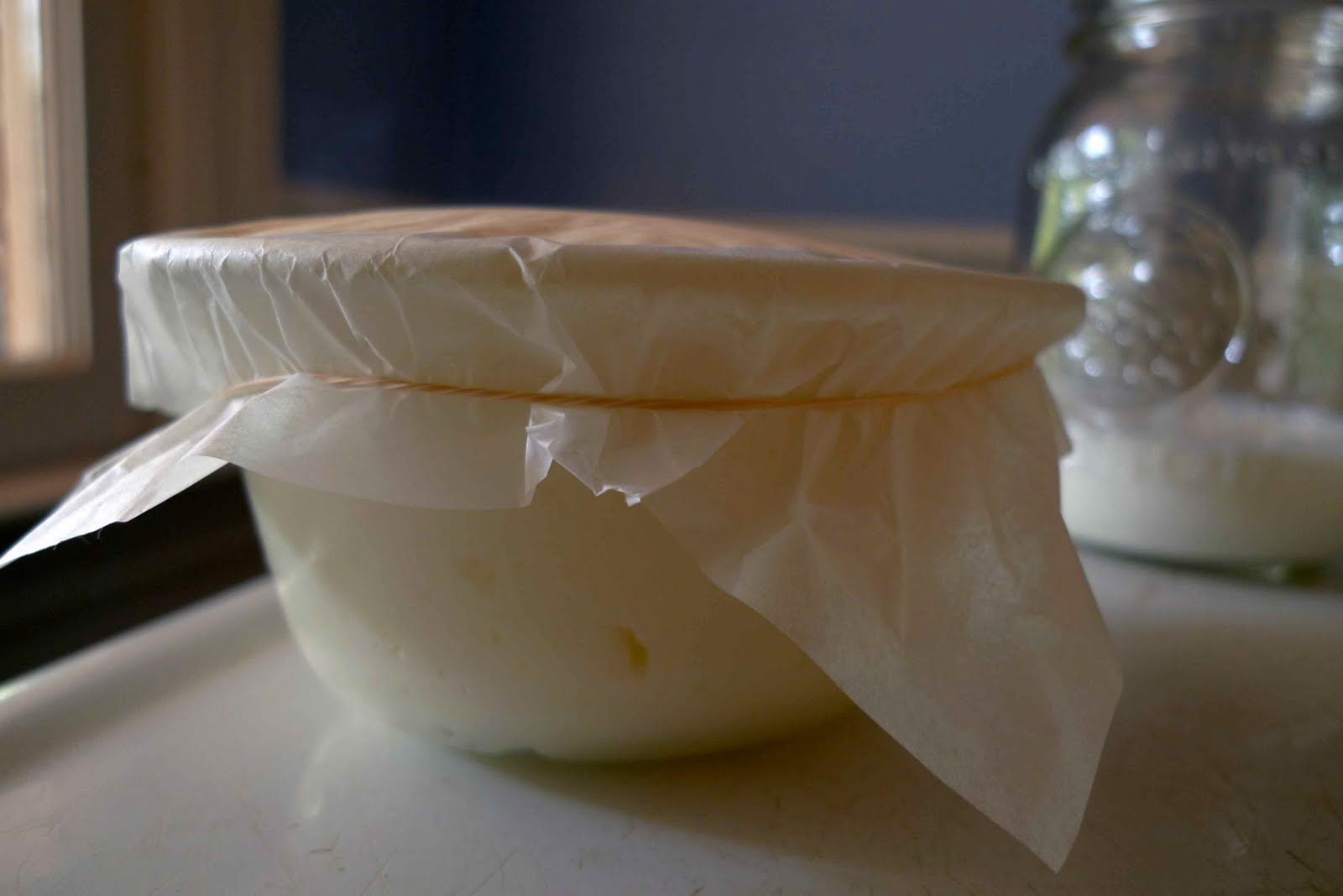
In a nonreactive bowl, stir together the culture and cream. Cover with plastic wrap and set aside to culture at room temperature (or warmer) for 12 to 24 hours. The mixture should thicken, sometimes a little and sometimes a lot, depending on the temperature and probably other factors that are mysterious to me. This time it thickened a lot:

Scoop a few tablespoons of the cultured cream into a lidded jar and save it for the next batch. I just put this straight into the freezer, where I'm told it'll keep for months:

Whip the cream with a mixer or an immersion blender. I think you could do this in a food processor, but I don't have a regular-size one and the cleanup would surely be more intensive than with a mixer or immersion blender. Keep whipping past the thick-whipped-cream stage to the point where the solids separate from the liquid, slowing the mixer speed down as this happens:

Holding back the solids (the butter) with your hand or a sieve, pour off as much of the liquid as you can. This is cultured buttermilk. I usually get about a cup from a pint of cream. Here I've transferred the butter back to the first bowl, but you could do this all in the same bowl start to finish:

Put a few handfuls of ice and some cold water in the bowl with the butter:

Use a spatula or wooden spoon to stir and knead the butter with the ice water. The water will become milky as the remaining buttermilk is kneaded out of the butter. Holding the butter (and any ice cubes) back, drain off the cloudy water. Add more ice and clean water and keep kneading to wash out the buttermilk, draining and replacing the water and ice until you can knead the butter and the water stays relatively clear:

Drain again and pick out the ice cubes, if there are any that haven't melted. Knead the butter some more, pouring off the water that comes out. Keep kneading and draining to remove as much water as possible. I imagine there are more effective ways of getting all the water out, and they probably involve butter muslin, but I just knead, drain, and then sort of pat the butter with a paper towel until it looks pretty dry:

Stir in salt to taste, if you'd like, then pack the soft butter into a container and cover with waxed paper (or wrap it into a log in plastic):

Refrigerate. This butter will last at least a week, and can be used . . . however you'd use butter. This butter turned out fairly light in color, while other batches have been brighter yellow. My mom tells me it has to do with what the cows were eating, along with the fat content of the cream. Of course, you could always color it with juice squeezed from a carrot that's been grated, milk-simmered, and squeezed in cheesecloth, as T. and I just read about in
Little House in the Big Woods, but that seems like a lot of trouble to me.